
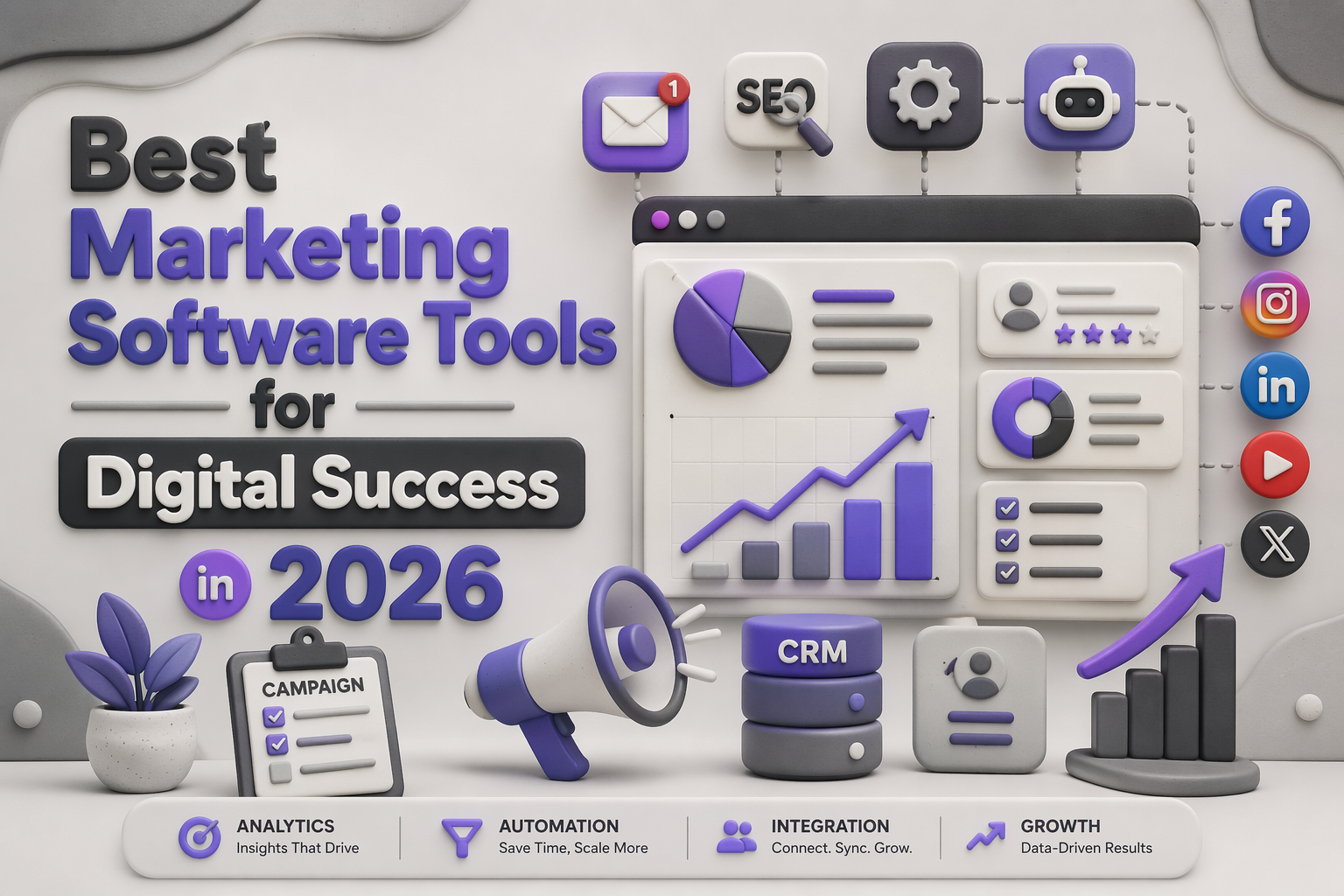
Quick Summary: Most teams in 2026 struggle with managing multiple marketing apps, so choosing an integrated stack that combines AI, automation, and reporting is crucial. HubSpot offers a broad all-in-one platform with AI-assisted workflows, ideal for small to mid-sized teams. Specialized tools like Semrush focus on SEO and visibility, while Salesforce and Adobe Marketo cater to large enterprises with complex needs. The key is to pick software that simplifies workflows, connects data seamlessly, and aligns with your team's growth bottlenecks.
If your team is comparing Marketing Software in 2026, the real challenge is not finding options. It is picking a stack that supports AI search, content, reporting, and Marketing Automation without adding more manual work.
Most teams now juggle too many apps. Search behavior keeps shifting, buyers find brands in more places, and leadership wants clear ROI from every channel. A lot of Marketing Software handles one job well but still leaves gaps in visibility, workflow control, or measurement. That is why many Digital Marketing Tools feel useful on their own but messy together.
This guide ranks 12 of the best Marketing Software tools for digital success in 2026. It starts with broad platforms, then moves into focused tools for SEO, automation, CRM, content, and analytics.
We picked each option based on official product features, 2026 market fit, feature depth, automation strength, AI visibility support, reporting, and how well the tool fits different team sizes.
Quick Comparison
| Tool | Best for | Core strength | Ideal team size | 2026 edge |
|---|---|---|---|---|
| HubSpot | All-in-one marketing teams | Automation and CRM integration | SMB to mid-market | AEO and AI-assisted content/workflows |
| Semrush | SEO and visibility teams | Search intelligence | SMB to enterprise | AI search and brand visibility |
| Salesforce Marketing Cloud | Large enterprises | Journey orchestration | Enterprise | Agentic and data-unified marketing |
| Adobe Marketo Engage | B2B enterprise teams | Lead nurture and scoring | Enterprise | Agentic AI experience |
| ActiveCampaign | Growth teams and SMBs | Automation and lifecycle marketing | SMB to mid-market | Active Intelligence and AI guidance |
| Zoho Marketing Plus | Budget-conscious marketing teams | Multichannel execution | SMB | All-in-one campaign workspace |
What to know about marketing software
Marketing software now covers your full growth system, not just email or ads. Most teams need tools that help with planning, content, SEO, lead capture, CRM, reporting, and automation. The best setups save time, cut tool sprawl, and give your team one clear view of performance.
That matters more in 2026 because buyers move across more channels, and AI changes how people find brands. You need software that can track results, connect data, and help you act fast.
A good stack should make work simpler, not add more dashboards, handoffs, and manual fixes.
1. HubSpot
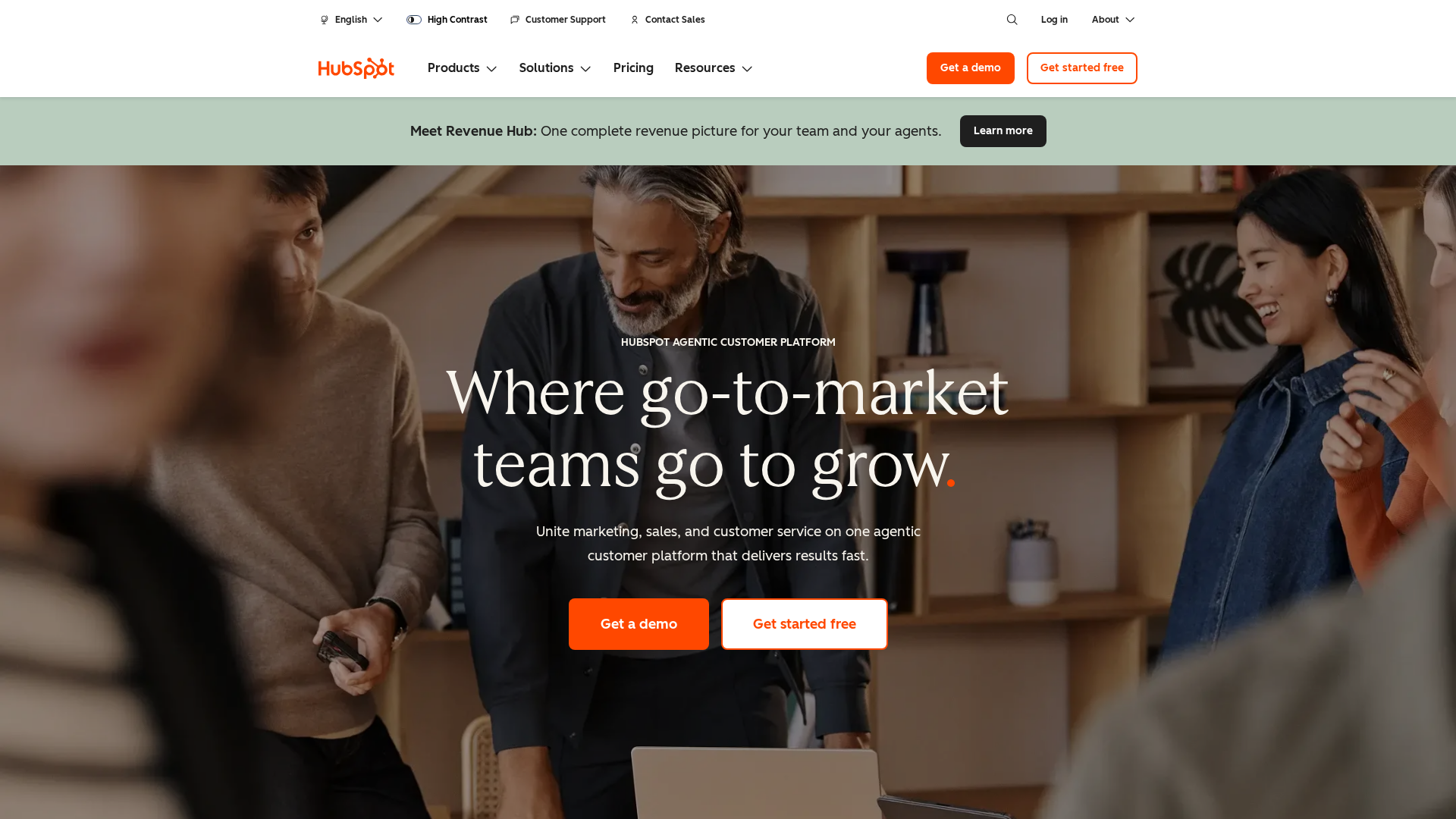
HubSpot is the best broad-stack pick for teams that want marketing, CRM, content, reporting, and AI in one place. In 2026, its edge is stronger because HubSpot AEO helps brands track AI visibility while the platform keeps workflows, analytics, and customer data under one roof.
Highlights
- Marketing Hub, Content Hub, workflows, analytics, and CRM in one system
- Built-in AI and AEO for modern discovery, based on HubSpot’s Spring 2026 updates
- Strong fit for inbound, lifecycle marketing, and campaign reporting
Specs
- Best for: All-in-one marketing teams
- Core strength: Automation and CRM integration
- Ideal team size: SMB to mid-market
- 2026 edge: AEO and AI-assisted content/workflows
Pros
- Easy to centralize key marketing functions
- Strong automation and reporting
- Fast time to value
Cons
- Can get expensive as you scale
- Enterprise setups may need more custom work
It ranks here because it gives most teams the best mix of ease, breadth, and automation.
Last updated: June 19, 2026
Also Read: Recommended
2. Semrush
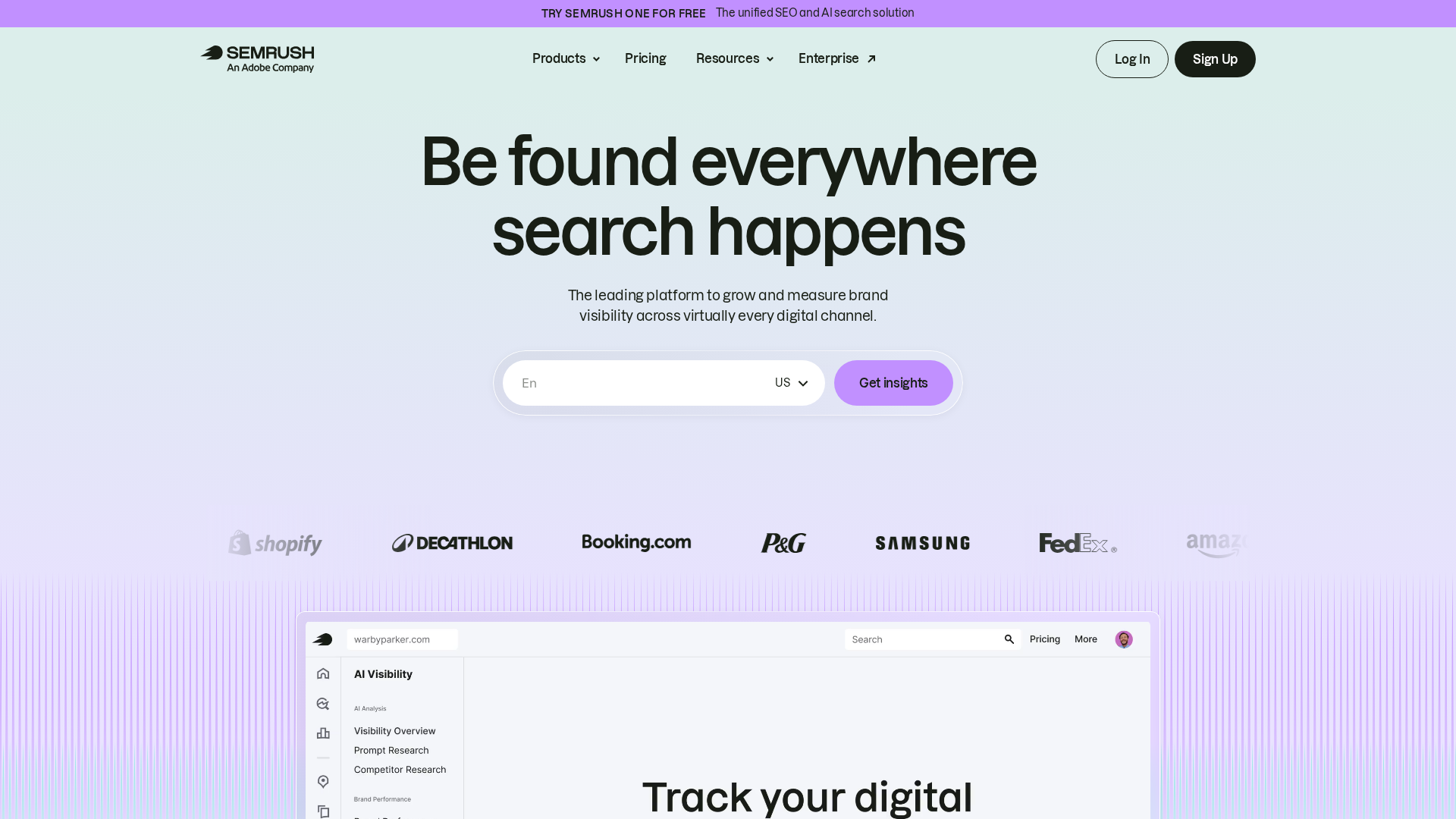
Semrush is an SEO and brand visibility platform built for search growth. It still stands out in 2026 because it brings classic SEO research together with AI visibility, so teams can track discoverability across Google and answer engines, as shown in Semrush’s AI visibility overview.
Highlights
- Keyword, backlink, and competitor research
- AI visibility and brand visibility features
- Strong content and technical SEO support
Specs
- Best for: SEO and visibility teams
- Core strength: Search intelligence
- Ideal team size: SMB to enterprise
- 2026 edge: AI search and brand visibility, with tools for mentions, prompts, and competitor gaps in the AI Visibility Toolkit
Pros
- Excellent for competitive research
- Wide SEO toolkit depth
- Useful for content planning and optimization
Cons
- Not a full marketing hub
- Can be overkill if you only need email or CRM
It ranks here because it is the strongest specialized pick for discoverability in 2026.
Last updated: June 19, 2026
Also Read: Courses
3. Salesforce Marketing Cloud
Salesforce Marketing Cloud is built for large teams that need one view of the customer across channels. It stands out when you want marketing tied closely to sales, service, and commerce data, with newer agentic workflows and personalization features shown in Salesforce’s 2026 update.
Highlights
- Journey orchestration and cross-channel marketing
- AI-powered insights and personalization, including real-time recommendations in Salesforce Personalization
- Strong fit for complex, data-rich organizations
Specs
- Best for: Large enterprises
- Core strength: Journey orchestration
- Ideal team size: Enterprise
- 2026 edge: Agentic and data-unified marketing
Pros
- Very strong enterprise ecosystem
- Deep data and CRM integration
- Supports complex multi-channel campaigns
Cons
- Setup can be complex
- May be too much for smaller teams
It ranks here because it remains one of the strongest enterprise marketing automation platforms for customer journey management at scale.
Last updated: June 19, 2026
Also Read: Best Ai Writing Tools
4. Adobe Marketo Engage
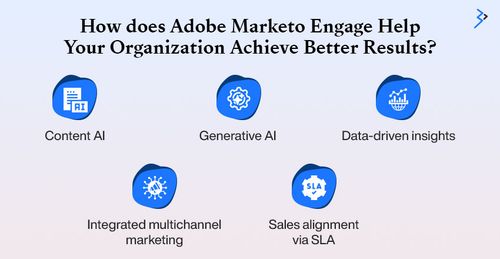
Adobe Marketo Engage is built for B2B marketing automation at enterprise scale. It stands out for personalized campaigns, strong lead nurture, and pipeline reporting, with Adobe now pushing an agentic AI experience into daily workflows.
Highlights
- Automated nurture and multi-step campaign support
- Lead scoring, audiences, and attribution
- Enterprise-friendly integrations and extensibility
Specs
- Best for: B2B enterprise teams
- Core strength: Lead nurture and scoring
- Ideal team size: Enterprise
- 2026 edge: Agentic AI experience
Pros
- Excellent for complex nurture journeys
- Strong revenue attribution focus with multi-touch measurement
- Deep enterprise feature set
Cons
- Heavier learning curve
- Best suited to mature teams
It ranks here because its depth in B2B automation and revenue focus fits complex growth teams.
Last updated: June 19, 2026
Also Read: Semrush One Ai Seo Review Prompt Citations
5. ActiveCampaign
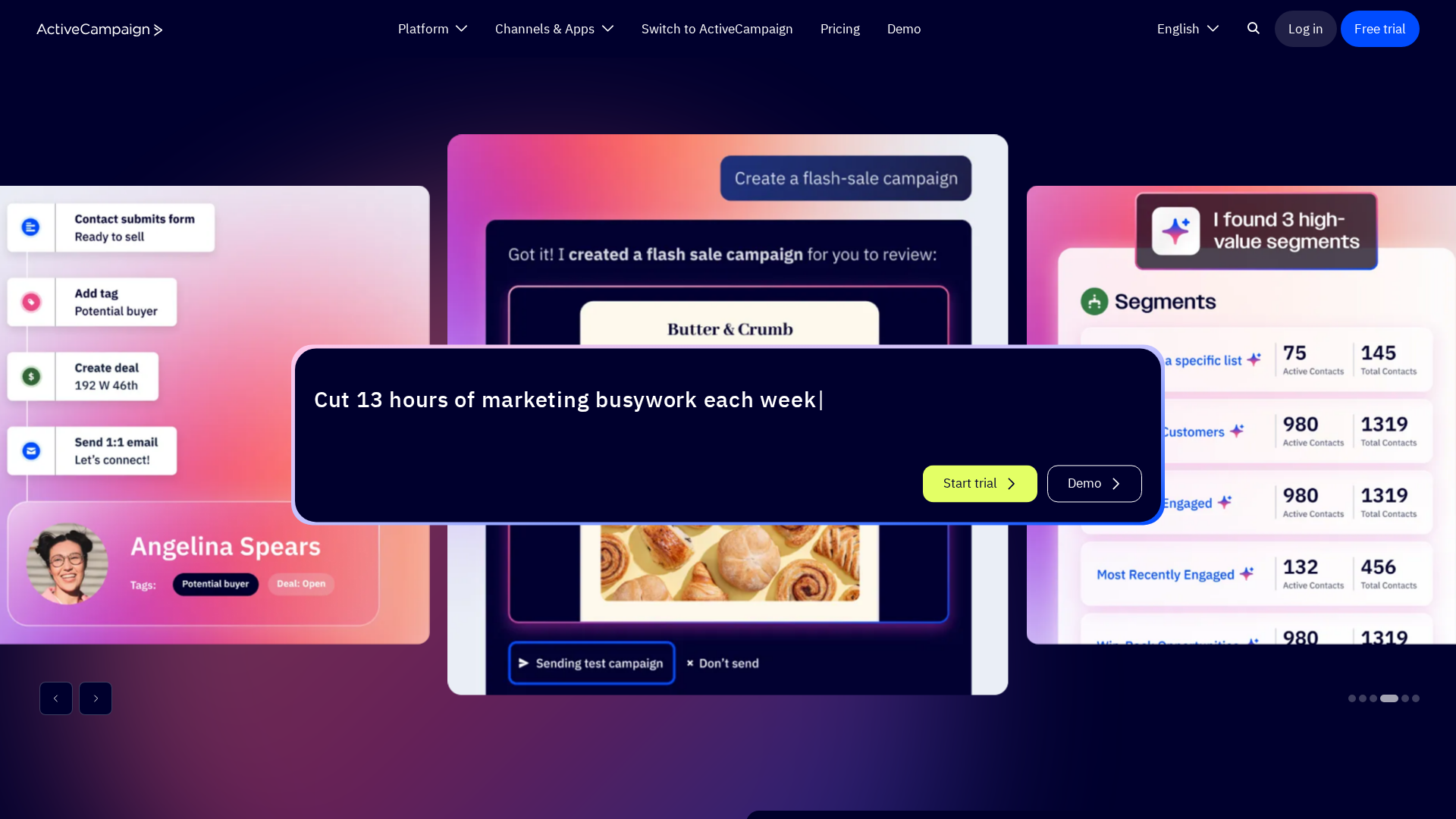
ActiveCampaign is a strong pick for teams that want real marketing automation depth without heavy enterprise complexity. Its 2026 edge is Active Intelligence, which turns customer data into campaigns, segments, and next steps with a more guided, hands-on feel than many email tools.
Highlights
- AI campaign building, AI-suggested segments, and proactive guidance through Active Intelligence
- Email automation, lifecycle flows, and predictive send timing for stronger retention and follow-up
- Broad workflow connections across common tools like CRM, ads, and messaging apps, backed by new automation capabilities
Specs
- Best for: Growth teams and SMBs
- Core strength: Automation and lifecycle marketing
- Ideal team size: SMB to mid-market
- 2026 edge: Active Intelligence and AI guidance
Pros
- Strong automation depth
- Good balance of power and usability
- Great for lifecycle and retention marketing
Cons
- Less broad than all-in-one suites
- Needs clean setup to get full value
It ranks here because it gives growth-focused teams practical automation power without making the stack harder to run.
Last updated: June 19, 2026
6. Zoho Marketing Plus
Zoho Marketing Plus gives small teams one place to run campaigns across email, social, events, SMS, surveys, and reporting. It fits budget-conscious teams that want broad coverage without stitching together too many separate marketing software tools or juggling disconnected multichannel marketing workflows.
Highlights
- Multichannel campaign management
- Built-in collaboration and asset management
- Unified reporting across channels
Specs
- Best for: Budget-conscious marketing teams
- Core strength: Multichannel execution
- Ideal team size: SMB
- 2026 edge: All-in-one campaign workspace
Pros
- Good breadth for the price
- Useful for collaboration
- Covers many common marketing channels
Cons
- Less robust than enterprise suites
- Advanced teams may outgrow it
It ranks here because it gives SMB teams one of the best all-in-one value plays for campaign execution.
Last updated: June 19, 2026
Honourable Mentions
If the main picks do not fit your stack, these tools are still worth a look. Each one fills a clear gap for teams with different size, budget, or buying needs.
- 7. Oracle Eloqua - Strong enterprise B2B orchestration and lead management for complex revenue teams.
- 8. GetResponse MAX - Built for high-volume email and automation for scaling brands and ecommerce teams.
- 9. Keap (Thryv) - A practical CRM and automation pick for small business follow-up.
- 10. Learnwire - Helpful for education, setup guidance, and strategic support.
- 11. ToolChase - Useful for comparing tools and narrowing options fast.
- 12. TopReviewed.ai - Good for AI-assisted software discovery and shortlist building.
How to choose the right marketing software
Pick based on your main growth bottleneck, not the longest feature list.
- Choose all-in-one software if your team wants CRM, email, landing pages, automation, and reporting in one place. This works best for small teams that need speed and fewer tool handoffs.
- Choose a specialized SEO or visibility tool if most growth comes from organic traffic, content output, or AI search discoverability. These tools usually go deeper on rankings, content gaps, prompt tracking, and visibility across AI answers.
- Choose enterprise automation if you run long sales cycles, lead scoring, multi-step nurture flows, or account-based marketing. You need stronger workflow logic and sales-marketing alignment.
- Choose a multichannel platform if one team manages email, social, SMS, events, and reporting. This helps keep campaigns and attribution in one view.
Use these criteria before you buy:
| Criteria | What to check | Best fit |
|---|---|---|
| Stack fit | CRM, site, ads, analytics integrations | Any team replacing manual work |
| Reporting depth | Revenue, attribution, funnel views | Managers and founders |
| AI readiness | AI visibility, prompt tracking, real-time updates | Content and growth teams |
| Team workflow | Seats, approvals, handoff speed | Cross-functional teams |
If a tool saves features but breaks your data flow, skip it. Integration quality matters more than feature count.
Picking the right stack takes time, and the wrong tool gets expensive fast. Use Learnwire to compare AI tools, marketing software, and real-world reviews so you can choose faster, cut waste, and build a stack that fits your goals.
Frequently Asked Questions
Q1: What are the key features to look for in the best marketing software tools for 2026?
Look for AI help, clean reporting, strong integrations, role-based access, and clear pricing. Good tools should connect CRM, ads, email, SEO, and analytics. Pick software that saves time, protects data, and scales with your team.
Q2: How does marketing automation software like HubSpot or Marketo improve campaign efficiency in 2026?
It cuts manual work. You can automate email flows, lead scoring, routing, follow-ups, and reporting. That means faster launches, better lead handoff, and fewer missed touches across the buyer journey.
Q3: Which SEO tools such as Semrush and Ahrefs are essential for digital success in 2026?
Both are strong for keyword research, backlink checks, rank tracking, and competitor analysis. Choose based on workflow, data depth, and team fit. Many teams pair one SEO suite with a content tool and GA4.
Q4: Should small teams buy an all-in-one platform or a specialized stack?
Start with your bottleneck. Small teams often win with fewer tools that cover CRM, email, and reporting well. Add point tools only when one channel, like SEO or content, needs deeper features.
Buy for workflow fit first, feature count second.